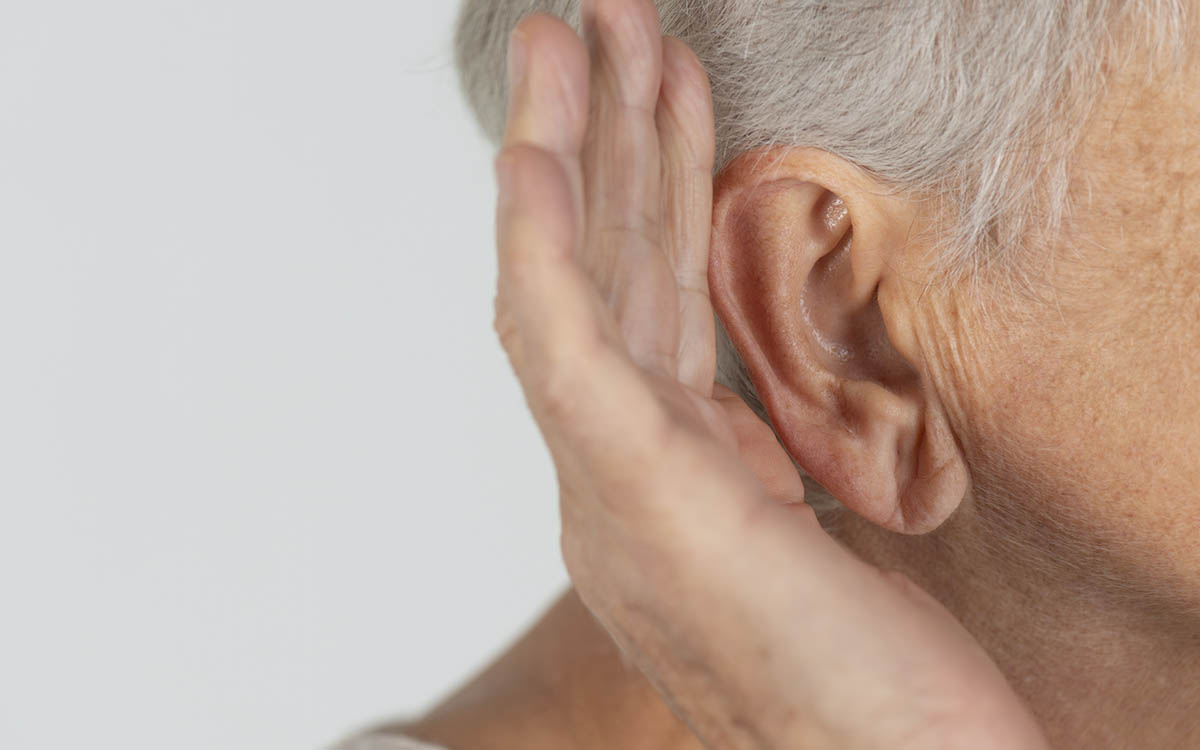
Commonly, clinicians link hearing loss to senescence, yet for a vast number of citizens, auditory trauma initiates much earlier in life. Among the most frequent and preventable categories of auditory damage, noise-induced hearing loss frequently develops incrementally, escaping notice until it becomes a permanent condition.
Understanding how noise exposure impacts your ears over time facilitates proactive protection before significant hearing loss occurs.
Defining Noise-Induced Hearing Loss: A Pathophysiological Analysis
Noise-induced hearing loss occurs when loud sounds damage the delicate structures inside the inner ear. As reported by the CDC, acoustic levels surpassing 85 decibels can induce ear damage following repeated or lengthy exposure. Intense noise sources, specifically firearms or industrial tools, can compromise hearing integrity within a very brief timeframe.
The internal auditory system houses delicate sensory units termed hair cells. These receptors facilitate the conversion of acoustic vibrations into electrical signals decoded by the brain. Because hair cells cannot repair or replace themselves once damaged, hearing loss resulting from noise is generally a permanent physiological state.
Understanding How Hearing Damage Advances Through Chronic Exposure
It is clinically significant that noise-induced hearing loss often manifests through a slow, cumulative process. Initial clinical indicators of sound-induced trauma may involve:
- Temporary ringing or buzzing in the ears (Tinnitus)
- Post-exposure auditory dullness or perceived muffling of sound
- Challenges involving speech comprehension within high-noise settings
These early warning signs may fade, leading people to assume their hearing has “recovered”. In fact, chronic noise exposure causes ongoing trauma to inner-ear anatomy, slowly reducing hearing clarity and sensitivity over time.
According to the hearing loss Association of America, nearly 48 million citizens live with hearing loss, often without realizing the cause.
Identifying Routine Sound Hazards to Hearing
In our modern environment, individuals often develop a tolerance or desensitization to high-volume sounds. Due to this, the commonality of injurious sound exposure often goes unrecognized.
Potential sources include:
- Concert settings and loud musical performances
- Headphones played at high volumes
- Lawn equipment, power tools, and motorcycles
- Workplace noise in construction, manufacturing, or warehouses
The everyday occurrence of these sounds allows for progressive damage to develop without obvious warning.
Prioritizing Prevention in Ear Preservation
Unlike other health conditions, noise-induced hearing loss cannot be reversed. Nevertheless, it remains a highly avoidable pathology. Adopting straightforward preventative behaviors can markedly decrease the likelihood of injury, including:
- Utilizing hearing protection devices like earplugs in noisy settings
- Limiting headphone decibels and implementing the 60/60 rule for safe listening
- Implementing quiet intervals to permit the auditory system to rest
- Maintaining regular clinical screenings and Audiology visits
Professional Benchmarks for Consulting Professional Care
Patients observing ongoing Tinnitus, challenges in conversation, or shifts in auditory acuity should contact an Audiologist. Early assessment is critical for monitoring, education, and the development of protective strategies to help preserve your hearing.
Prioritizing auditory health now ensures the preservation of hearing clarity for the future. While environmental noise is often inevitable, hearing loss is a preventable outcome. Contact our team today to schedule a consultation and make sure you’re hearing your best.