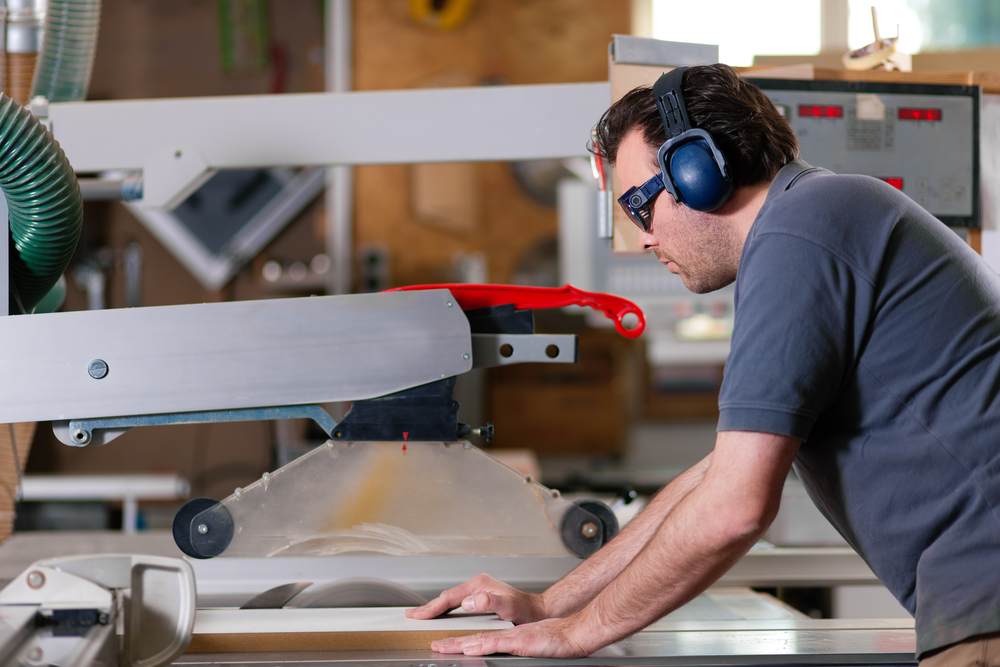
Prolonged exposure to loud noise can take a significant toll on your hearing health, chiefly in settings where sound levels surpass safe thresholds. It is important to shield your ears, not just to prevent hearing damage, but also to help you maintain concentration in loud settings. Therefore, what steps should you implement to find the ideal hearing protection level tailored to your situation?
Interpreting noise volume and its results
The impacts of noise exposure aren’t just about volume but also the duration of exposure. The primary measurement for understanding noise levels is decibels, a unit employed to measure sound loudness. Hearing damage can initiate when sound volume hits 85 dB or more, particularly after long-term exposure.
As a frame of reference, 85 dB is about the same volume as the sound of city traffic perceived from within a car. An eight-hour period of non-stop exposure can begin to damage your hearing, even if the sound level doesn’t strike you as overly loud. As the sound gets louder, the period of time you can be exposed securely decreases:
- Damage can occur with up to 4 hours of exposure at 90 dB (Lawnmower).
- Keep your exposure to 100 dB (Power tools) to less than 1 hour.
- Damage is possible after only 15 minutes at the 110 dB level (Leaf blower).
- Exposure to 120 dB (a Rock concert) will damage your hearing instantly.
- Exposure to 140 dB (Jet engine) results in immediate damage and intense pain.
How to detect unsafe noise situations
You must wear hearing protection when frequently exposed to 85 dB or louder sounds. The need for protection is stronger in work settings, including factories and construction, or in any location where engines, equipment, or devices create major noise.
You can encounter unsafe noise levels even in recreational activities—such as attending concerts, utilizing leaf blowers, or shooting sports—making hearing protection beneficial outside of a job setting.
Choosing protection based on Noise Reduction Ratings (NRR)
The performance of hearing protection is evaluated by its Noise Reduction Rating (the NRR). Measured in decibels, this figure shows the amount of sound reduction the device offers. A higher reduction in sound is provided by higher NRR ratings. For instance, earplugs with an NRR of 30 dB can lower an 85 dB noise level to 55 dB, maintaining you comfortably within safe exposure limits.
In selecting protection, you must assess the precise noise levels you face and ensure your chosen device reduces the volume sufficiently to remain under 85 dB.
Comfort is essential for sustained use of protection
Although the NRR is paramount, comfort is equally significant for ensuring that the protection will be used consistently over time. If hearing protection feels uncomfortable or cumbersome, you may be likely to remove it—leaving your ears vulnerable to hazardous noise.
Comfortable hearing protection supports consistent use, lowering the danger of periodic exposure. For example, if earmuffs are too bulky or cause discomfort, you may be inclined to remove them occasionally, subjecting your ears to dangerous noise levels.
Exploring the various options of ear protection
Hearing protection is available in various types, each with its benefits and disadvantages:
- Inserted into the ear canal, Foam Earplugs provide superb noise reduction. They are disposable and light, yet some individuals may find them uncomfortable.
- Pre-Molded Earplugs: These rest just outside the ear canal and are reusable, making them a more sustainable option. They’re easier to insert and remove compared to foam earplugs.
- Enclosing the whole ear, Earmuffs are perfect for settings where noise volume changes, as they can be easily removed and replaced. Their drawbacks include potentially feeling warm or heavy over a long period.
Choosing the best type is based on your comfort and the requirements of your setting. By way of illustration, a construction worker might choose earmuffs for their simplicity, while someone working in a factory may opt for earplugs for all-day use.
Making sure you wear it constantly
The most highly effective hearing protection is the one you’ll wear consistently. Interrupting the use, even for a brief time, may have long-term effects for your hearing. It is vitally necessary to find a solution that optimizes between comfort, protection, and convenience for this purpose.
Securing your auditory longevity
We are constantly enclosed by noise, yet choosing the right protective equipment guarantees your ears are safeguarded, allowing you to continue enjoying your acoustic surroundings.
To review the best methods for protecting your hearing health and assessing your risk for noise-related hearing damage, please contact us now.