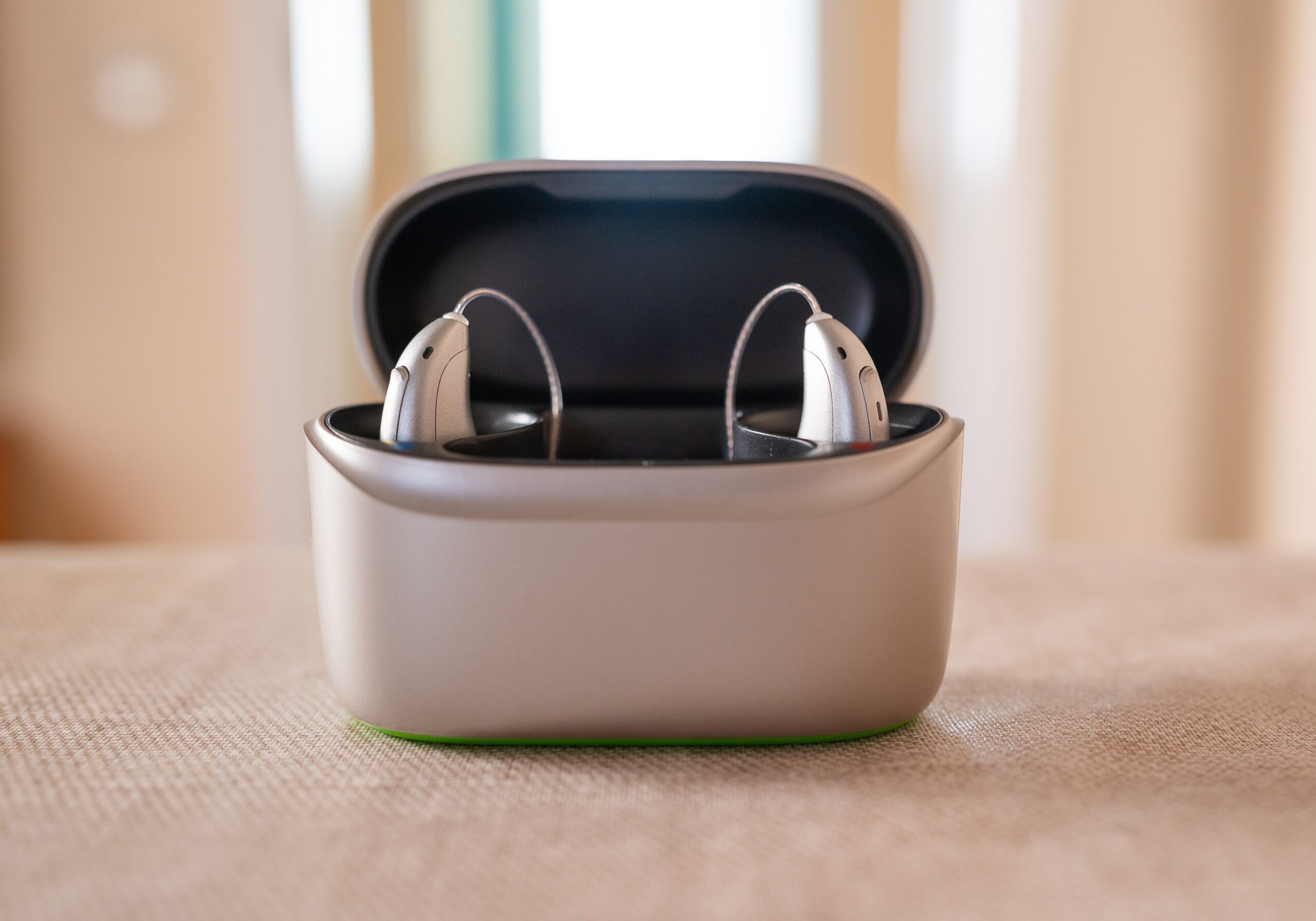
A hearing aid that goes silent halfway through a meeting or a family dinner is more than an inconvenience. Hearing aid batteries usually last anywhere from three days to several weeks, depending mainly on usage and battery type, so knowing what to expect makes it easier to stay ahead of a dead battery.
At Texas Ear, Nose & Throat Specialists, our doctoral-level audiologists, Nicki L. Morgan, Au.D., CCC/A, Kelli Vieger, Au.D., and Joshua M. Rudes, Au.D., CCC-A, help patients in Bedford, Flower Mound, and Southlake understand their hearing aids’ power needs, troubleshoot unexpectedly short battery life, and choose a manageable care routine. Recognizing what affects battery performance helps you plan ahead and keep your hearing aids ready when you need them.
Is a Size 312 Battery Supposed to Die Within a Week?
A size 312 battery dying within a week is usually normal, since that size typically lasts three to 10 days, and each other size has its own expected range. Disposable zinc-air hearing aid batteries generally fall in that three- to 10-day window, though some larger batteries may last longer. Battery size provides a useful starting point. Approximate ranges include:
- Size 10, yellow packaging: three to seven days
- Size 312, brown packaging: three to 10 days
- Size 13, orange packaging: six to 14 days
- Size 675, blue packaging: nine to 20 days
These ranges are estimates. Longer wearing hours, greater amplification needs, and frequent wireless streaming can shorten battery life. You must use the size specified for your hearing aid; you can’t upgrade to a larger battery.
Many rechargeable models provide a full day of listening after a single charge. About 20 to 30 hours is common, but some models offer more. Check your model’s specifications and ask how streaming changes its expected runtime.
Does a Rechargeable Model Trade Daily Runtime for Years of Use?
A rechargeable model does trade some daily runtime for years of use: a disposable battery generally lasts longer between changes than one charge, but a built-in rechargeable battery can be charged repeatedly and may last for several years.
Rechargeable hearing aids can simplify care if handling tiny batteries is difficult. They require a reliable charging routine and access to an appropriate charger. Portable charging cases may help during travel, depending on the model.
Neither option is automatically better for everyone. Daily wearing time, streaming habits, dexterity, travel plans, and device choices matter. Rechargeable capacity can decline with age, so a battery that once lasted all day may eventually need professional replacement.
Why Might Fresh Hearing Aid Batteries Quit Sooner Than They Should?
Fresh hearing aid batteries usually quit sooner than they should because of heavier use, such as more streaming or longer wear, or because of a problem with the battery, charger, or device. Start by comparing the change with your usual routine, since more phone calls or music streaming may explain increased power use. Record when batteries are changed or charged and when warnings begin.
For disposable batteries, check the expiration date, correct size, and whether the tab was removed too early. Try a fresh battery from another package if several replacements perform poorly.
For rechargeable aids, confirm that the charger has power and each device is seated correctly. Check the charging indicator rather than assuming that placing it in the case guarantees charging. Clean charging contacts only as instructed.
If short runtime persists, our audiologists can inspect the devices, assess charging equipment, and determine whether repair or battery replacement is needed. Bring your charger and usage notes. Avoid opening a sealed battery compartment or repeatedly trying to recharge a disposable battery.
Positive Side Up: How Do You Change a Zinc-Air Battery at Home?
You can change a zinc-air battery at home by opening the battery door gently, letting the new battery activate for about two minutes after peeling the tab, and inserting it with the positive marking aligned. Work over a towel with clean, dry hands, keep the correct replacements nearby, and follow these steps from your device’s instructions:
- Turn the hearing aid off and gently open the battery door.
- Remove the used battery.
- Peel the tab from a new zinc-air battery.
- Let air activate it for the recommended interval, usually about two minutes.
- Insert it with the positive marking aligned correctly and close the door gently.
If the door resists closing, check the battery’s size and position, but don’t force it. Our audiologists can demonstrate replacement during a hearing aid fitting or follow-up visit and recommend a handling tool if necessary.
Most modern rechargeable hearing aids have built-in batteries that patients should not replace at home. Arrange professional service when replacement is required.
Keep new and used batteries away from children, pets, food, and medications. Never hold batteries in your mouth. If someone may have swallowed one, contact poison control immediately for guidance.
What Habits Stretch Hearing Aid Batteries for North Texas Patients?
The habits that help hearing aid batteries go the distance are careful storage, leaving tabs in place until use, switching devices off when idle, and following a steady charging routine. For disposable batteries, try these habits:
- Leave protective tabs in place until you need each battery.
- Store batteries in their packaging at room temperature, away from moisture.
- Use older, unexpired packages before newer ones.
- Turn devices off when unused and open battery doors as instructed.
- Keep loose batteries away from coins, keys, and other metal objects.
Refrigerating batteries can expose them to moisture. Replacing the tab after activation does not restore a zinc-air battery to its original condition.
For rechargeable aids, follow the recommended charging schedule and use compatible charging equipment. Keep the devices and charger clean, and avoid excessive heat. Ask about storage instructions before leaving them unused for an extended period.
Unnecessary streaming uses extra power, but preserving battery life shouldn’t mean giving up important communication features. Talk with Nicki Morgan, Kelli Vieger, or Joshua Rudes about frequent shortages so the solution fits your needs.
Book a Battery Check With Our North Texas Audiologists
If battery problems keep interrupting your day, schedule a consultation at Texas Ear, Nose & Throat Specialists. Bring your hearing aids, your charger if you use one, and notes about recent battery performance. You can learn what runtime is realistic, whether maintenance or service is needed, and which battery routine suits your lifestyle.
Call our Bedford office at 817-835-9379 to see Kelli Vieger, our Flower Mound office at 972-779-6501 to see Joshua Rudes, or our Southlake East office at 817-809-2400 to see Nicki Morgan. You can also contact Texas Ear, Nose & Throat Specialists online to schedule an appointment.