Hearing Testing
Hearing loss can be gradual and difficult to notice until it’s advanced. That’s why you should have your hearing screened once a year. Not only will this help uncover changes in your hearing early, it can also detect early signs of other health issues.
Who Should Get a Hearing Test?

What Will a Hearing Test Show?
What Happens During a Hearing Test?
What’s Included in Your Hearing Evaluation at Texas ENT?
Here’s what a comprehensive hearing evaluation includes:
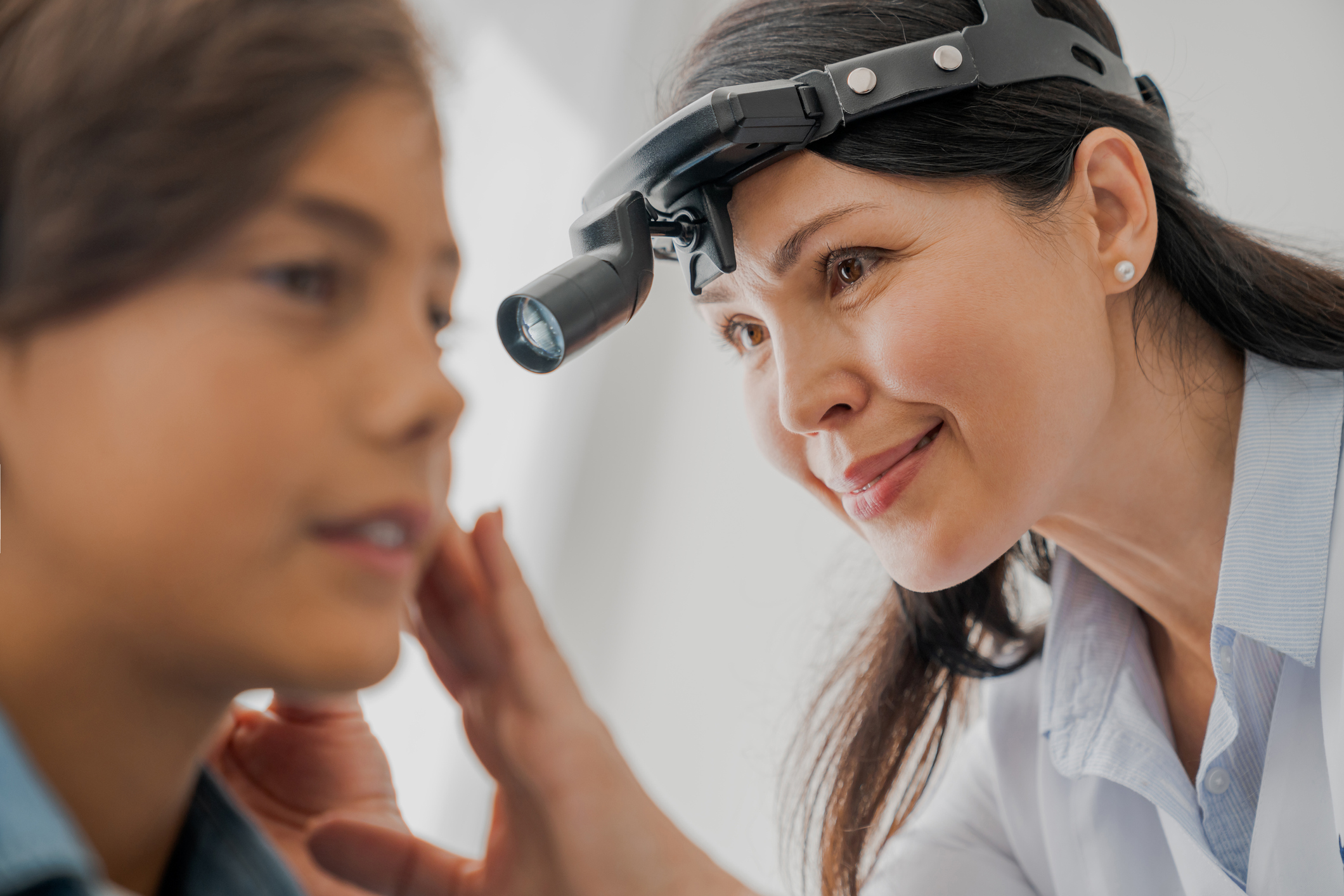
Otoscopic Examination — Before any testing begins, your audiologist will visually inspect your ear canal and eardrum using an otoscope, checking for earwax buildup, infection, or any obstruction that could be affecting your hearing.
Tympanometry (Pressure Test) — A quick, painless test that measures how well your eardrum moves in response to gentle air pressure changes
Pure-Tone Audiometry (Tone Test) — You’ll listen to a series of tones at different pitches and volumes through calibrated headphones and signal when you hear each one.
Speech Testing — You’ll listen to words and sentences at varying volumes and repeat them back.
Bone Conduction Testing (when indicated) — Helps determine whether hearing loss is originating in the outer/middle ear or the inner ear, which guides treatment decisions.
Not Ready to Come In?
Check Your Hearing Right Now
Try These Tools First:
Online Hearing Screener — A short, simple test you can take from your phone, tablet, or computer in just a few minutes. It won’t replace a clinical evaluation, but it can tell you whether your hearing is in a range that warrants a closer look.
The “Real Life” Test — Ask yourself honestly: Do I struggle to follow conversations in restaurants? Do I miss words on TV even at higher volumes? Do family members or coworkers comment on my hearing? Do I hear better in one ear than the other? If you’re nodding yes to more than one, a professional evaluation is the right next step.
Why a Professional Hearing Test Goes Further
Online screeners are a useful starting point, but they can’t measure the full picture. Only a calibrated, in-office evaluation using audiometric equipment can precisely identify the type, degree, and configuration of your hearing loss — and separate a simple wax blockage from a more significant inner-ear issue.
At Texas ENT in Bedford, Flower Mound and Southlake, that clinical difference matters. Because we’re a full ENT practice, a hearing test here doesn’t just tell you that something is wrong — it starts a process that can get to why, with physicians and audiologists working together under one roof.
Annual hearing screenings are recommended for all adults, particularly those over 50 or with noise exposure history. If it’s been more than a year since your last test — or if you’ve never had one — now is a good time.
You don’t have to live with hearing loss. Call Us