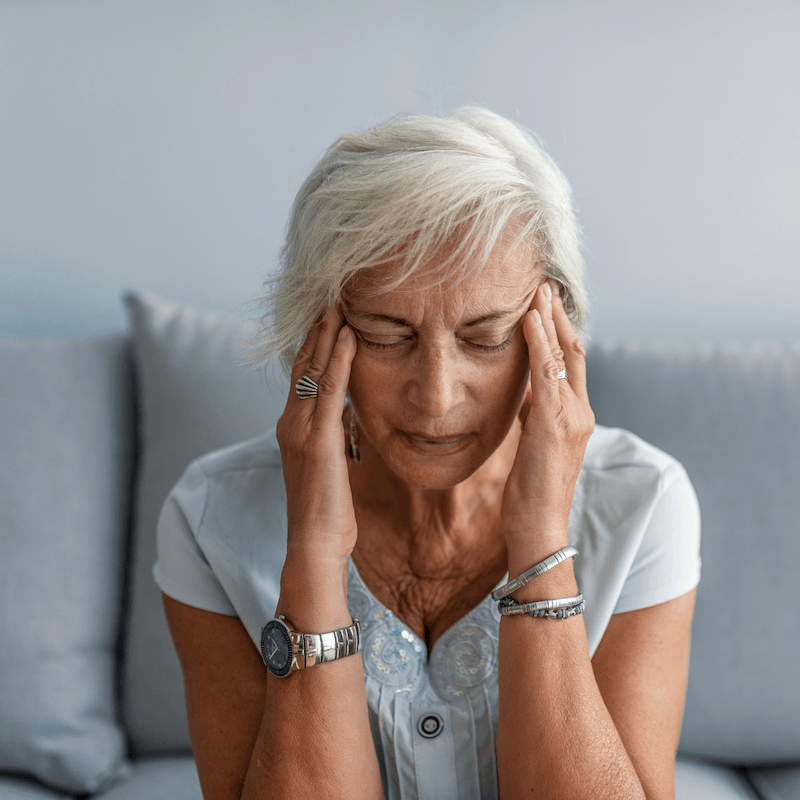
A migraine condition does not always cause debilitating head pain; in clinical reality, a vestibular migraine targets balance function, motion perception, and spatial awareness. Our ENT practice evaluates recurrent dizziness to diagnose whether a vestibular migraine or an alternative balance disorder is the primary cause. Navigating targeted migraine treatment begins with recognizing subtle clinical signs and communicating them clearly to your specialist.
Comparing Vestibular Migraines to Typical Migraine Headaches
Vestibular migraine and typical migraine are part of the same neurological disease spectrum, but their most noticeable symptoms differ. The hallmark of a typical migraine is moderate to severe unilateral throbbing head pain that intensifies during ordinary physical activities. Concurrent symptoms routinely include autonomic nausea, photophobia, phonophobia, and transient focal neurological aura.
The primary presentation of vestibular migraine encompasses episodic vertigo, subjective dizziness, gait imbalance, and motion sensitivity. Head pain can emerge during an attack, but it does not have to be present during every vestibular occurrence. Episodes routinely cause a false perception of self-motion or room spinning, dynamic head-movement dizziness, and visual sensory overload.
Standard clinical diagnostic guidelines define vestibular episodes as lasting anywhere from five minutes up to 72 hours. Presentations frequently shift from episode to episode, which can obscure the underlying connection to migraine disease.
Underlying Causes and Triggers of Vestibular Migraines
No single disorder is known to cause vestibular migraine. This balance condition appears to reflect shared neurological circuits that modulate migraine signals and vestibular equilibrium data. A familial or personal history of classic migraine, alongside persistent motion sickness, frequently predisposes patients to vestibular migraine.
Common factors known to initiate attacks include:
- Disrupted sleep architecture or chronic sleep deprivation
- Irregular nutritional intake, skipped meals, and dehydration
- Severe emotional stress or the physical transition period immediately following chronic stress
- Menstrual fluctuations and other significant reproductive endocrine shifts
- Visually complex settings, flickering light sources, and intense illumination
- Intense motion, travel, or scrolling
- Alcohol consumption, tyramine-rich foods, MSG, or individual dietary irritants
- Barometric weather fluctuations, seasonal shifts, or compounded sensory overstimulation
Detailed Symptom Breakdown: Vestibular vs. Regular Migraine
While recurrent head pain defines typical migraines, the full spectrum of migraine symptoms extends beyond localized discomfort. Clinical presentations frequently feature nausea, vomiting, visual aura, physical exhaustion, mental clouding, neck pain, and sensory hypersensitivity.
A vestibular migraine attack can present with:
- True rotational vertigo or generalized non-rotational movement illusions
- Persistent postural unsteadiness, gait instability, or loss of balance
- Vestibular dizziness elicited by vertical or horizontal head motion
- Nausea during motion
- Sensitivity to moving screens, crowds, traffic, or patterned surfaces
- Illusory sensations of bobbing, swaying, boat-like rocking, floating, or directional pulling
- Sensory hypersensitivity involving photophobia, auditory intolerance, and visual overstimulation
- Dull cranial pressure, tight band-like sensations, or pulsating migraine headache
- Temporary ear pressure, fullness, or ringing
The pattern, duration, and triggers help distinguish vestibular migraine from other causes. Sudden dizziness combined with focal weakness, localized numbness, slurred speech, double vision, loss of consciousness, or gait failure necessitates emergency care.
Overlapping Attacks: When Vestibular and Regular Migraines Coincide
Yes. A patient can experience debilitating vertigo and a throbbing migraine headache concurrently in the same episode. Dizziness might manifest as a premonitory symptom before head pain, peak while the headache is active, endure following pain resolution, or strike alone. Over years of disease progression, individuals frequently oscillate between headache-heavy attacks and balance-centric vestibular events.
A vestibular attack does not require concurrent cephalalgia to have a direct neurovascular migraine origin. Recording daily symptoms in a log can uncover clinical links and triggers that are difficult to recall in retrospect. Note the frequency and length of dizziness, headache qualities, sensory changes, menstrual timing, sleep habits, meals, potential triggers, and therapeutic interventions. Providing this detailed history ensures that your audiological and ENT assessment remains highly accurate.
How Can a Doctor Diagnose the Cause of Vestibular Migraines?
No single blood test, scan, or balance test confirms vestibular migraine. Diagnostic evaluation initiates with a structured examination of symptom chronology and a confirmed history of migraine with or without aura. Accepted diagnostic standards mandate documenting at least five moderate to severe vestibular attacks of five minutes to 72 hours duration, with migraine features accompanying at least half.
Our clinical assessment routinely incorporates a complete neurological workup, oculomotor eye-movement testing, otoscopy, audiological evaluation, and vestibular testing. Tailored to your specific profile, diagnostics might feature a pure-tone audiogram, canal positional tests, computerized vestibular batteries, or cranial MRI scans. Such objective tests are crucial to differentiate vestibular migraine from other balance disorders presenting with similar symptoms. This clinical diagnosis is finalized only when your symptom history matches validated criteria and no other vestibular disorder better accounts for the findings.
Treatment Strategies: Managing Vestibular Migraines Effectively
Management is customized for each patient depending on attack frequency, degree of disability, headache status, underlying conditions, and medication safety profiles. Most individuals find the greatest relief through an integrated regimen combining daily preventive protocols with an acute rescue plan.
We develop an individualized treatment regimen which may feature:
- Establishing structured daily routines for sleep, timely meals, fluid intake, and low-impact cardiovascular exercise
- Methodically identifying and eliminating confirmed individual triggers
- Implementing evidence-based stress-reduction protocols, biofeedback, or behavioral therapies
- Implementing appropriate antiemetic prescriptions to alleviate severe nausea during attacks
- Restricting vestibular suppressants strictly to short-term management during severe vertigo flares
- Daily preventive medications such as beta-blockers, calcium channel blockers, topiramate, specific antidepressants, or novel migraine drugs
- Specialized vestibular rehabilitation therapy (VRT) to resolve chronic motion hypersensitivity and balance deficits
We prescribe vestibular suppressants conservatively, given that regular consumption causes sedation and delays the brain’s natural compensation mechanisms. Medication choices should be made with us rather than borrowed from another person’s migraine plan. Clinical stabilization often involves gradual pharmacological adjustments alongside diligent, long-term symptom logging.
Contact Us for a Comprehensive Vestibular Migraine Evaluation
Should recurrent dizziness, motion sensitivity, or unsteadiness interfere with your daily routine, book a clinical consultation with our team. Your appointment involves analyzing your migraine history, medical background, and lifestyle goals, followed by clinical testing to separate vestibular migraine from conditions like BPPV or Ménière’s disease. Call or message our office today to schedule your comprehensive vestibular migraine consultation.