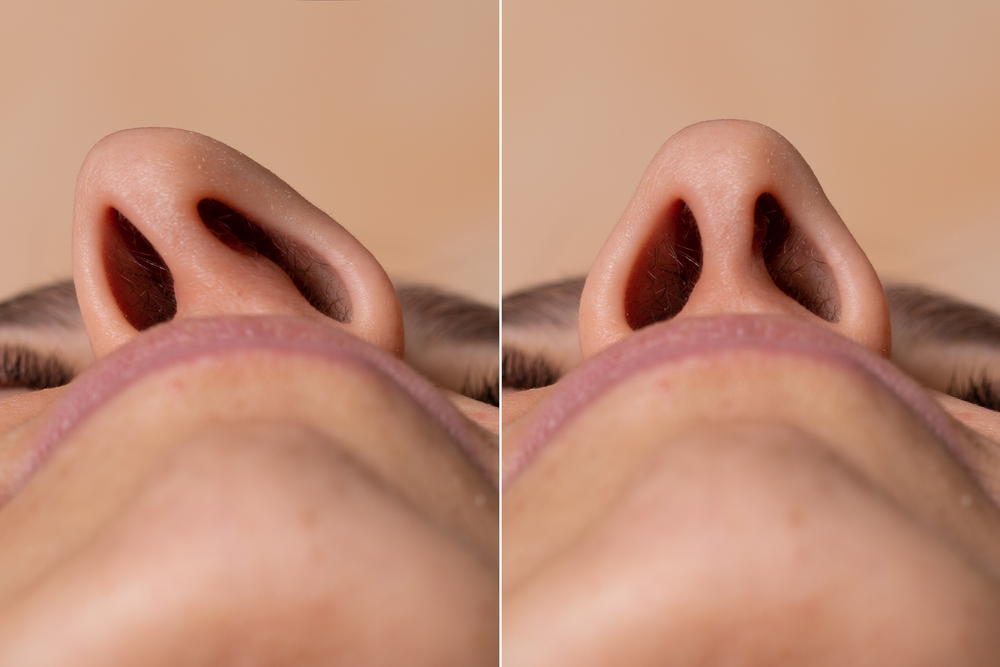
If one side of your nose seems to function less effectively than the other, many others face the same challenge. A deviated septum is a common condition that can affect breathing, sleep, and overall comfort, and it often occurs without people realizing the cause of their symptoms.
By grasping the signs associated with a deviated septum, you can better judge when to seek specialized medical care.
Understanding the Anatomy of a Deviated Septum
Your nasal passages are divided by the thin partition of bone and cartilage called the septum. Ideally, this structure should be perfectly centered within your nose. A shift in this central wall toward either side creates a deviated septum.
The origin of a deviated septum may be congenital, or it may develop because of a nasal injury later in life. A slight deviation might not cause problems, whereas a significant shift can create a major obstruction in the nose.
Common Symptoms of a Deviated Septum
A deviated septum can affect how air moves through your nose, leading to a range of symptoms that vary in severity.
Blocked Nasal Passages
One of the most common symptoms is difficulty breathing through one or both nostrils. You may notice:
- Ongoing feelings of nasal fullness
- Uneven airflow favoring a specific side of the nose
- Nasal issues that flare up during seasonal shifts or infections
Long-Term Congestion Issues
Congestion resulting from a deviated septum is distinct from a common cold because it typically:
- Does not resolve with seasonal shifts
- Does not find relief through standard medications
- Feels structural rather than inflammatory
Restricted Breathing During Sleep
A blockage in the nasal airway may result in:
- Nighttime snoring issues
- Habitual mouth breathing while asleep
- Disturbed or non-restorative sleep
Clinical evidence suggests that a deviated septum can make sleep-related breathing challenges more severe.
Recurring Nasal Bleeding
Uneven air distribution often causes dryness and irritation in the more exposed nasal passage. This can increase the likelihood of:
- Repeated nosebleed incidents
- Discomfort from internal nasal scabs
- A general feeling of irritation in the nose
Is It Allergies or a Deviated Septum?
While the symptoms may feel the same, a structural deviation and allergies have completely different origins.
Signs of the Septum Shift:
- Usually manifest in one nasal passage more than the other
- Are present even when pollen counts are low
- Fails to resolve with the use of antihistamines
Common Allergic Indicators:
- Usually impact both nostrils simultaneously
- May come with standard allergy signs
- Are usually manageable with standard nasal sprays
When these two issues coexist, they can create an intensified impact on nasal discomfort.
Identifying the Need for Deviated Septum Care
Professional medical advice should be sought when:
- Nasal obstructions disrupt your daily life
- Snoring or sleep issues worsen
- Incidents of nasal bleeding become regular
- Standard treatments do not resolve your congestion
- The condition negatively impacts your daily life
A consultation can help determine whether symptoms are structural, inflammatory, or a combination of both.
Understanding Septoplasty for Deviated Septum
To reestablish healthy breathing, a surgical procedure called septoplasty is used to align the septum. Doctors recommend this surgery for patients whose breathing remains blocked with less invasive treatments.
The Benefits Of Septoplasty can include:
- Restore the ability to breathe with ease
- Minimize ongoing feelings of congestion
- Improve the sleep environment by stopping snoring
- Prevent further episodes of chronic nosebleeds
An ENT can help determine whether septoplasty is appropriate based on your symptoms, anatomy, and overall health.
Overcoming the Challenges of a Deviated Septum
Living with a deviated septum is a common experience, and effective treatments exist. The first move toward feeling better is understanding that a structural issue may be causing your sleep and breathing problems.
Our team is here to pinpoint the cause of your discomfort and provide solutions that restore your well-being. If you’d like to schedule a consultation for a deviated septum or talk about treatment, call our care team today for an appointment.