As we get older, we have a tendency to keep a close eye on our health, regular checkups, blood pressure checks, and eye exams. But one vital area often gets overlooked: our hearing!
Many individuals are not aware of the prevalence of hearing loss, which frequently advances slowly, especially as people reach the age of 50 and older. The silver lining is that regular hearing assessments are swift, non-invasive, and can have a profoundly positive impact on both your physical well-being and day-to-day life.
Hearing impairment: a prevalent problem that is frequently undetected
Not all cases of hearing loss are as easily detectable as constantly adjusting the volume or regularly asking people to talk louder. It can be subtle at first, like missing parts of conversations, especially in loud places, or feeling as if people are mumbling more often.
Roughly one-third of individuals aged 65 and older experience hearing impairment, while nearly 28% of those over 52 encounter difficulties in their daily tasks as a result of this problem. The issue? Because hearing loss develops gradually, most individuals don’t realize how much they’re missing until it begins affecting their relationships, work, or mental health.
Why hearing exams after age 50 make a difference
Exactly like an annual physical or vision screening, a hearing test is a proactive way to safeguard your health. Here’s why they make a difference:
Identifying issues promptly leads to taking immediate measures
It is easier to deal with hearing loss when recognized early. Regular screenings allow audiologists to keep track of changes and recommend interventions before the issue advances further.
Hearing health is connected to brain health
Studies have revealed that neglected hearing loss is linked to an increased danger of cognitive decline and dementia.
That’s because the brain works harder to “fill in the blanks” when hearing is impaired, which can lead to mental fatigue and reduced cognitive function over time.
Better communication, better relationships
Frustration, social isolation, and depression may result from hearing loss. Straining to hear or misinterpreting others on a regular basis can have a negative effect on both your personal and professional relationships. Addressing hearing problems helps maintain meaningful relationships.
Hearing affects balance and safety
In addition to assisting in your ability to hear, your ears also support maintaining your balance and spatial alignment. Hearing loss has been linked to an increased risk of falls, especially in older adults.
What to expect during a hearing test
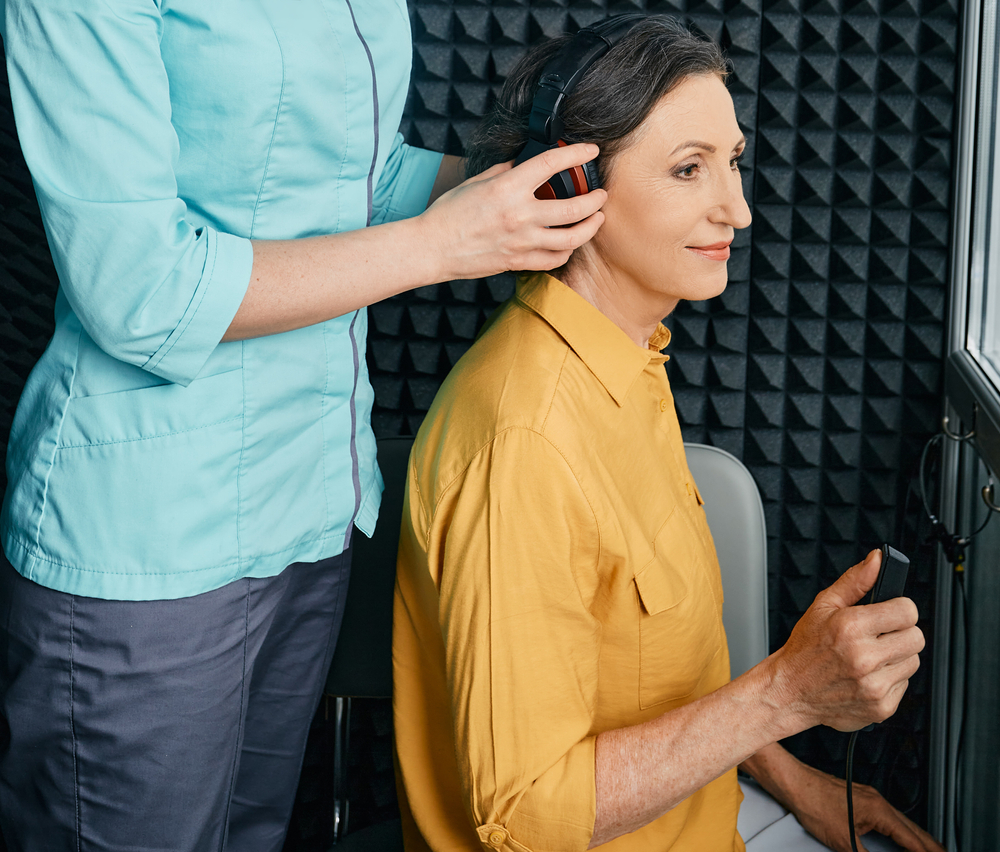
A hearing test is basic, painless, and typically takes less than an hour. You’ll consult with an audiologist who will:
- Discuss any symptoms or concerns
- Use headphones to assess how well you hear different tones and pitches
- Perform tests like speech recognition
If hearing loss is identified, you’ll discuss options, which might include hearing aids, assistive devices, or lifestyle adjustments to improve your hearing health.
How often should you get a hearing test?
Experts recommend a baseline hearing exam at age 50, followed by yearly or biannual checkups, particularly if you:
- Detect some amount of hearing decline
- Have a family background connected to hearing issues
- Are exposed to loud sounds on the job or in past workplaces
- You are a current hearing aid user
Take control of your hearing health now
How you engage with the world is influenced by your ability to hear. Getting regular assessments once you reach the age of 50 can assist in maintaining your mental acuity, social relationships, and autonomy. Furthermore, scheduling these appointments is a straightforward way to monitor your health.
Not sure where to start? Reach out to us now to schedule a complete hearing assessment. Hearing specialists are available to assist you in maintaining your hearing health and providing support, whether you have noticed any changes or simply want reassurance.